Use pruning shears
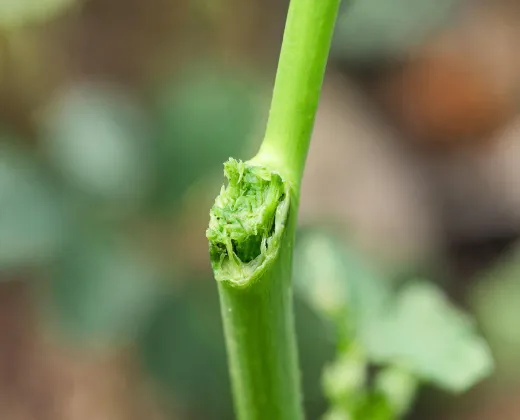
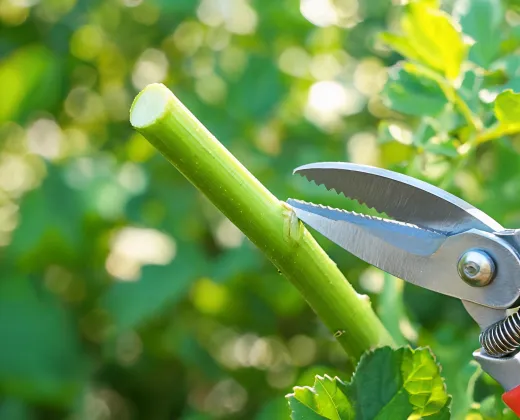
Best for roses, herbs, flowers, soft shoots, and regular garden shaping. Keep the blade clean, make a decisive angled cut, and avoid twisting the stem after the blade closes.
How-to guides
Clean pruning is easier when the tool choice and care routine are visible before the first cut. These guides compare crushed stems with clean angled cuts, rushed storage with simple maintenance, and guesswork with step-by-step pruning decisions.
Task selector
The guide area uses a calculator-style layout without relying on hidden data. Users can scan the task cards, choose the branch size or plant type closest to their work, and see the recommended habit that keeps the tool useful. It is written for quick decisions in a shed, garden center, truck, or greenhouse aisle.
Best for roses, herbs, flowers, soft shoots, and regular garden shaping. Keep the blade clean, make a decisive angled cut, and avoid twisting the stem after the blade closes.
When the branch makes the pruner feel strained, move to a two-hand tool. Extra reach and leverage protect the hand pruner while giving the branch a cleaner finish.
For shrubs and formal edges, keep a dedicated shaping tool in the kit. Wipe the blade after resin-heavy work so the next pass stays smooth and predictable.
Remove sap first, touch up the bevel, test on a small green stem, and check the spring or pivot if the return action feels tired or uneven.
Common questions
Start by cleaning the blade and testing the edge on a small green stem. If the cut still bruises the plant, check blade alignment, pivot tension, and whether the stem belongs in lopper territory instead.
Hand comfort matters more over time. Use a size that lets your hand close naturally, rotate work between tools when branches vary, and add short cleaning breaks so sap does not make the tool sticky.
Label tools by role: fine pruning, thicker branches, hedge shaping, and sharpening. Shared kits become easier to maintain when every user knows which tool should handle each task.
Group the display around job cues rather than model numbers alone. Show the customer what the tool cuts, how it fits the hand, and which care accessory helps the edge last.
Request a guide path
Describe the branch size, tool you own, and what feels difficult. Felco can point you toward the right tool family or the maintenance step to try first.